Water Conservation Techniques for Small-Scale Farmers
Robert Nguyen
Agricultural Engineer
Water is a precious resource, and its efficient use is crucial for sustainable agriculture, especially for small-scale farmers who may face water scarcity or high water costs. This article explores practical water conservation techniques that can be implemented without significant capital investment.
Understanding Your Water Needs
Before implementing water conservation strategies, it's important to understand the specific water requirements of your crops and the characteristics of your land. Different crops have different water needs, and soil types vary in their water retention capacity.
Soil Assessment
Conduct a simple soil assessment to determine its texture, structure, and organic matter content. Sandy soils drain quickly and require more frequent watering, while clay soils retain water longer but may have drainage issues. Adding organic matter improves water retention in sandy soils and drainage in clay soils.
Efficient Irrigation Methods
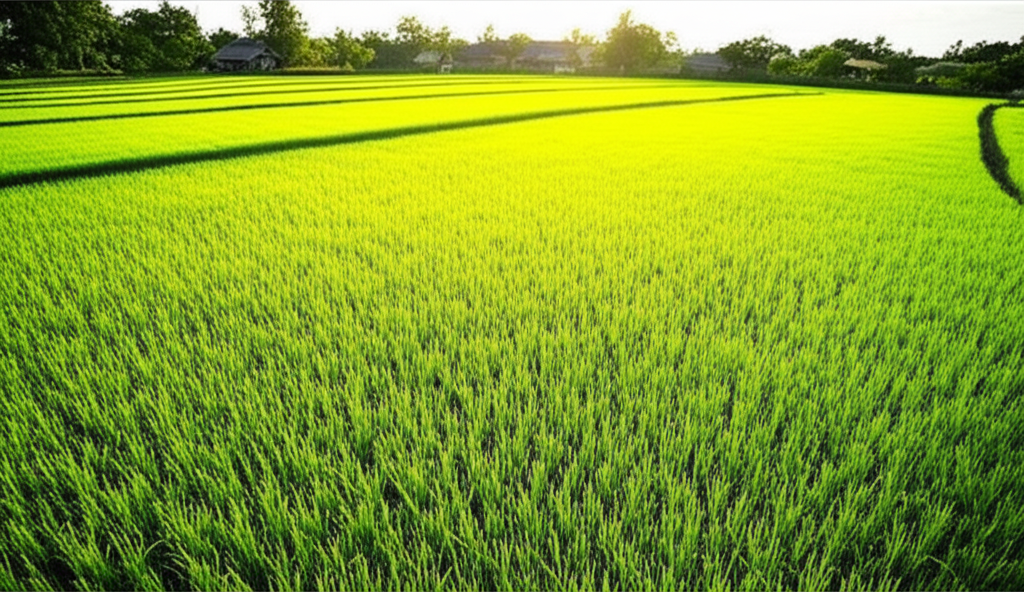
A simple drip irrigation system delivering water directly to plant roots, minimizing waste.
Drip Irrigation
Drip irrigation is one of the most efficient watering methods, delivering water directly to the plant roots and minimizing evaporation. While commercial systems can be expensive, small-scale farmers can create DIY drip systems using inexpensive materials like plastic bottles or PVC pipes with small holes.
Watering Schedule Optimization
Water early in the morning or late in the evening to reduce evaporation losses. Avoid watering during the hottest part of the day or when it's windy. Use a soil moisture meter or simply check soil moisture by hand before watering to prevent overwatering.
Rainwater Harvesting
Capturing and storing rainwater is an excellent way to supplement your water supply, especially in regions with seasonal rainfall patterns. Even small-scale systems can collect significant amounts of water.
- Use gutters and downspouts to direct rainwater from roofs to storage containers
- Repurpose food-grade barrels or tanks for water storage
- Install first-flush diverters to prevent contaminants from entering your storage system
- Cover storage containers to prevent mosquito breeding and algae growth
- Consider simple filtration methods if using rainwater for sensitive crops
Soil Management Practices
Mulching
Applying a layer of mulch around plants helps retain soil moisture by reducing evaporation, suppressing weeds that compete for water, and regulating soil temperature. Organic mulches like straw, leaves, or grass clippings also improve soil structure as they decompose.
Cover Cropping
Planting cover crops during off-seasons helps improve soil structure, increase organic matter, and enhance water infiltration and retention. Leguminous cover crops like clover or vetch also add nitrogen to the soil, reducing the need for fertilizers.
Drought-Resistant Farming Techniques
Crop Selection
Choose crop varieties that are well-adapted to your local climate and have lower water requirements. Many traditional and heirloom varieties have been naturally selected for drought resistance over generations.
Intercropping and Companion Planting
Growing different crops together can create beneficial microclimates that reduce water loss. Taller plants can provide shade for more sensitive ones, and deep-rooted plants can help bring moisture up from lower soil layers.
In the face of climate change, water conservation in agriculture isn't just an environmental concern—it's an economic necessity for farm survival.
— Food and Agriculture Organization (FAO)
Monitoring and Maintenance
Regularly inspect your irrigation system for leaks, clogs, or other issues. Even small leaks can waste significant amounts of water over time. Keep records of your water use and crop performance to help identify areas for improvement.
By implementing these water conservation techniques, small-scale farmers can reduce their water usage, lower costs, and build more resilient agricultural systems. Many of these methods also have additional benefits for soil health and crop quality, making them valuable investments for long-term farm sustainability.