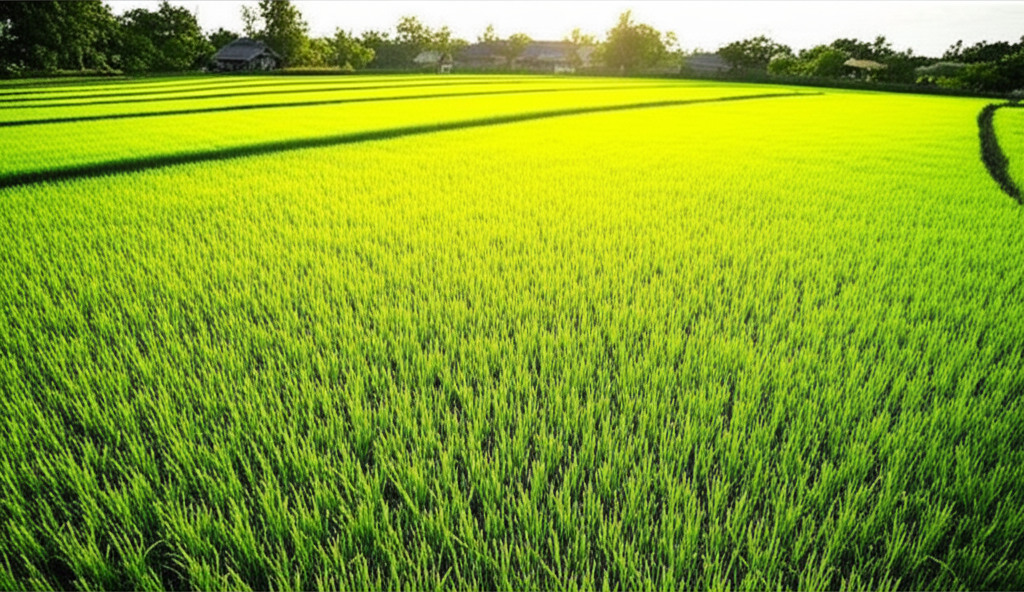
The Benefits of Organic Farming for Soil Health
Dr. Sarah Johnson
Agricultural Scientist

Organic farming has gained significant attention in recent years as consumers become more conscious about the environmental impact of conventional agriculture. One of the most important benefits of organic farming is its positive effect on soil health, which is the foundation of sustainable agriculture.
What is Soil Health?
Soil health refers to the continued capacity of soil to function as a vital living ecosystem that sustains plants, animals, and humans. Healthy soil is teeming with billions of bacteria, fungi, and other microbes that help plants absorb nutrients and fight off pests and diseases.
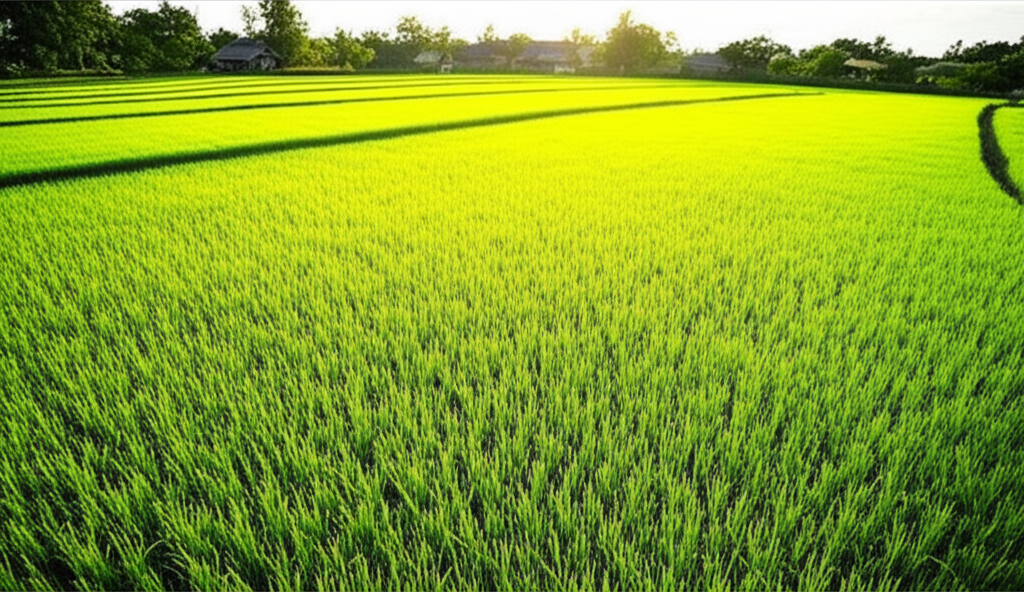
Healthy soil contains billions of beneficial microorganisms that support plant growth.
How Organic Farming Improves Soil Health
1. Elimination of Synthetic Chemicals
Conventional farming relies heavily on synthetic fertilizers, pesticides, and herbicides that can harm beneficial soil organisms. Organic farming prohibits the use of these chemicals, allowing soil microbiota to thrive and perform their essential functions.
2. Crop Rotation and Diversity
Organic farmers practice crop rotation, which involves growing different types of crops in the same area across different seasons. This practice helps prevent soil depletion, reduces pest and disease problems, and enhances soil structure and fertility.
3. Use of Organic Matter
Organic farming emphasizes the use of compost, manure, and other organic materials that add nutrients to the soil and improve its structure. These materials feed soil organisms, which in turn break down organic matter into nutrients that plants can use.
The soil is the great connector of lives, the source and destination of all. It is the healer and restorer and resurrector, by which disease passes into health, age into youth, death into life.
— Wendell Berry
Long-term Benefits for Agriculture
Research has shown that organic farming practices lead to higher levels of soil organic matter, which improves water retention, reduces erosion, and increases the soil's ability to sequester carbon from the atmosphere. These benefits not only help farmers produce healthy crops but also contribute to mitigating climate change.
- Increased water retention capacity
- Reduced soil erosion
- Enhanced carbon sequestration
- Improved nutrient cycling
- Greater resilience to extreme weather events
By adopting organic farming practices, farmers can build healthier soils that will sustain agricultural production for generations to come, while also protecting the environment and producing nutritious food for consumers.