Organic Pest Management: Natural Solutions for Common Garden Problems
James Wilson
Organic Gardening Expert

Dealing with pests is one of the biggest challenges in organic gardening and farming. Without synthetic pesticides, organic growers need to take a more holistic approach to pest management, focusing on prevention, biological controls, and natural remedies when necessary.
The Organic Approach to Pest Management
Organic pest management is based on the principle that a healthy, balanced ecosystem naturally keeps pest populations in check. Rather than trying to eliminate all pests, the goal is to maintain pest populations below the threshold where they cause significant damage.
Prevention: The First Line of Defense
Building Healthy Soil
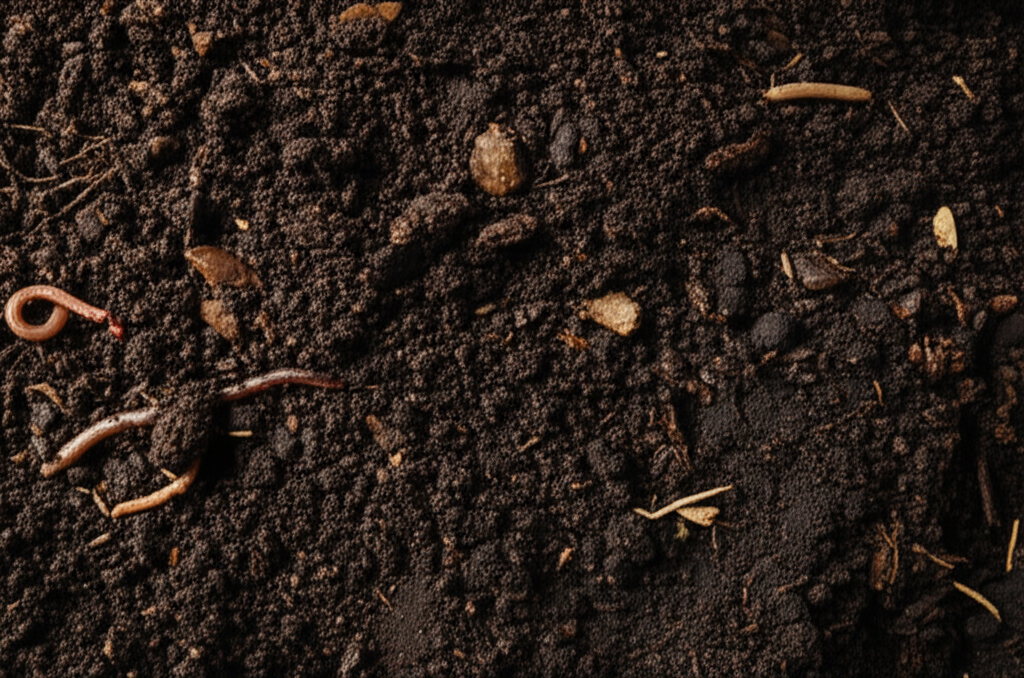
Healthy soil produces healthy plants that are more resistant to pests and diseases. Focus on building soil organic matter through compost, cover crops, and minimal tillage. Healthy soil also supports beneficial soil organisms that can help suppress certain pests and diseases.
Crop Selection and Rotation
Choose plant varieties that are well-adapted to your local conditions and have natural resistance to common pests in your area. Practice crop rotation to disrupt pest life cycles and prevent the buildup of pest populations in the soil.

Companion planting with marigolds can help repel certain pests while attracting beneficial insects.
Companion Planting
Certain plants can help repel pests or attract beneficial insects when planted alongside your crops. For example, marigolds can deter nematodes, while herbs like dill and fennel attract predatory insects that feed on common pests.
Biological Controls: Working with Nature
Beneficial Insects
Ladybugs, lacewings, praying mantises, and parasitic wasps are just a few of the beneficial insects that prey on common garden pests. Attract these helpers by providing habitat (flowering plants, shelter, and water) and avoiding broad-spectrum organic pesticides that might harm them.
Microbial Controls
Certain bacteria, fungi, and viruses can target specific pests while being safe for humans and beneficial organisms. Bacillus thuringiensis (Bt) is one well-known example that controls caterpillars but doesn't harm other insects.
Physical Barriers and Traps
- Row covers: Lightweight fabric barriers that protect plants from flying insects
- Copper tape: Creates a barrier that snails and slugs won't cross
- Sticky traps: Capture flying insects like aphids and whiteflies
- Diatomaceous earth: A powder that damages the exoskeletons of crawling insects
- Handpicking: Simple but effective for larger pests like tomato hornworms
Natural Remedies for Common Pests
Aphids
A strong spray of water can dislodge aphids from plants. For persistent infestations, try a soap spray made with 1 tablespoon of mild liquid soap (like castile soap) in 1 quart of water. Neem oil is also effective against aphids and many other soft-bodied insects.
Slugs and Snails
Beer traps (shallow containers of beer sunk into the soil) attract and drown slugs and snails. Alternatively, create rough barriers around plants using crushed eggshells, sand, or diatomaceous earth.
Cabbage Worms and Caterpillars
Bt (Bacillus thuringiensis) is highly effective against caterpillars while being safe for other organisms. Apply as a spray according to package directions, focusing on the undersides of leaves where caterpillars often feed.
The best fertilizer is the gardener's shadow.
— Chinese Proverb
Monitoring and Timing
Regular observation is crucial for effective pest management. Check plants frequently for signs of pest damage or the pests themselves. Many pests are easier to control when caught early, and some treatments are more effective at specific points in the pest's life cycle.
By combining these approaches—prevention, biological controls, physical barriers, and natural remedies—organic gardeners and farmers can effectively manage pests while maintaining a healthy, balanced ecosystem. Remember that some level of pest presence is normal and even beneficial, as it supports populations of natural predators that help keep your garden in balance.